St Mary'sC of E Primary School
Religion and Worldviews
Intent
Religion and Worldviews education plays a central role in offering a broad and balanced curriculum that will enable our children Learn, Transform and Grow so that they are able to participate fully in life in modern Britain and the wider world. We have adopted the following definition from the Religious Education Council; ‘Worldview’ describes the way in which a person encounters, interprets, understands and engages with the world.
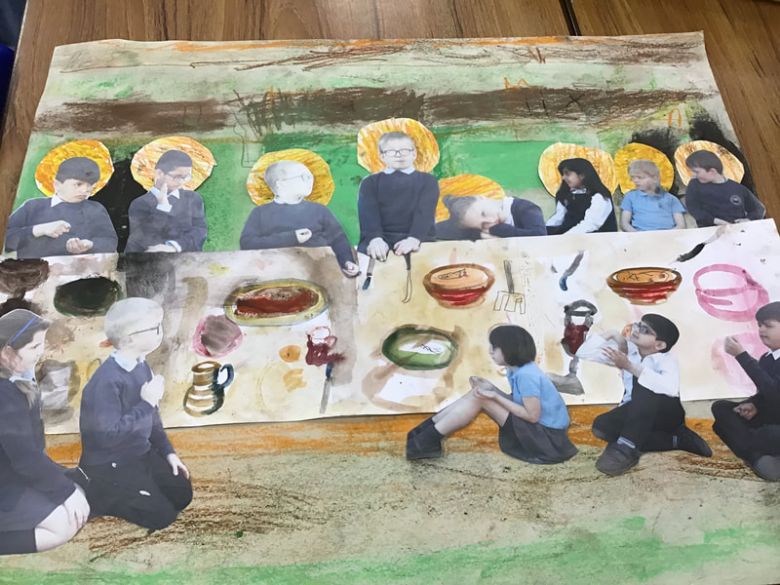
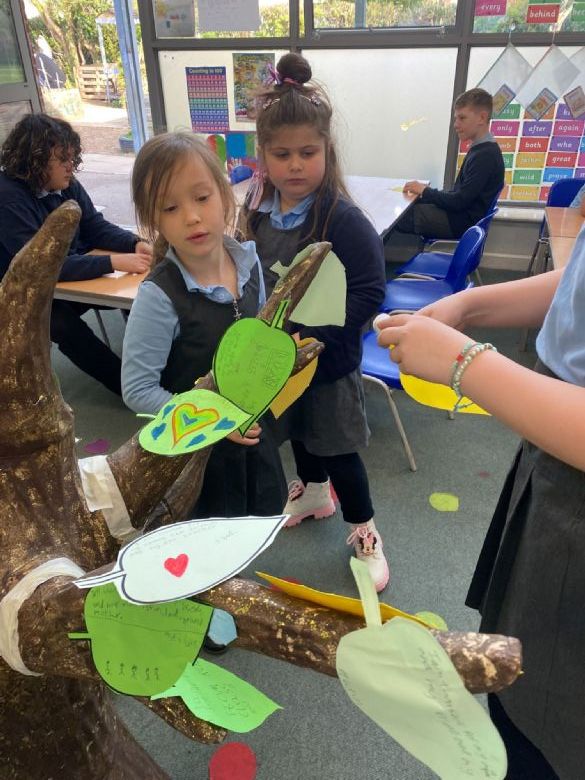
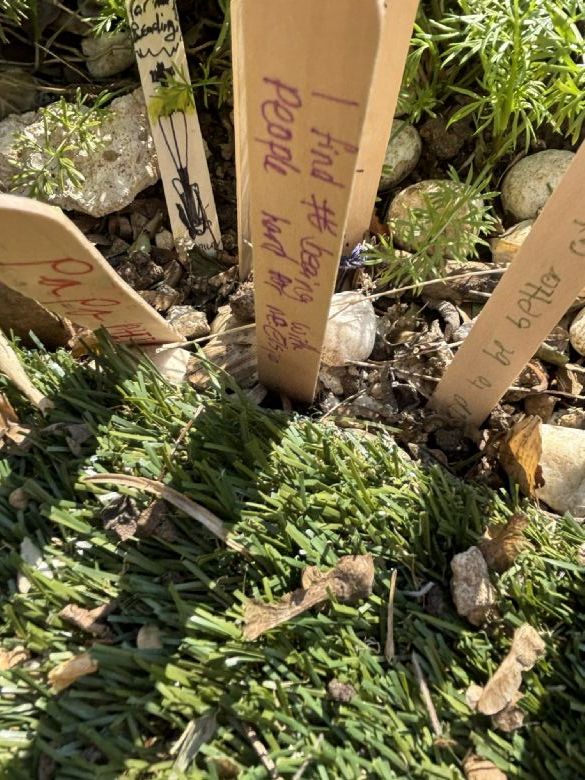
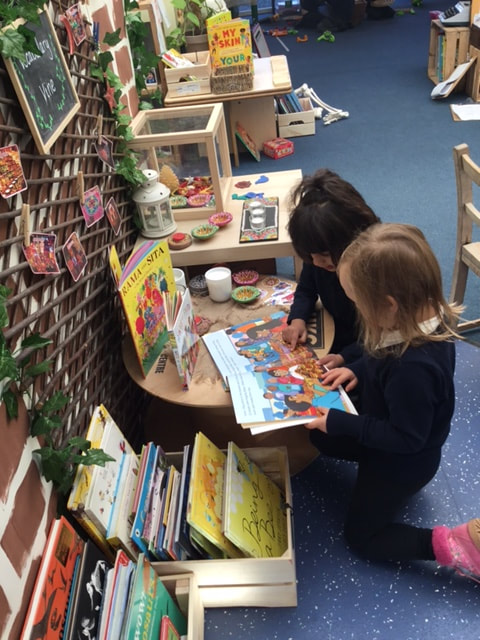
Our children are encouraged to learn about religions and beliefs which have influenced the lives of millions of people and heavily influenced the development of different human cultures. Pupils apply academic skills such as analysis and critical and creative thinking, approaching the study of religion with different disciplines as they mature and to recognise, develop and transform their own perspective from their increasingly academic and creative exploration of religions and other worldviews. Our community will grow through their experiences of RE; respecting pupils own experience and background, whilst at the same time expanding their understanding and horizons.
St Mary’s Primary School uses The Oxfordshire Agreed Syllabus 2023 - 2028, which has four aims for RE:
- Understand the nature, role and influence of religions and other worldviews, locally, nationally and globally.
- Reflect on questions of meaning, purpose and value.
- Formulate reasoned opinion and argument.
- Enter into meaningful dialogue with people of different beliefs, worldviews, and backgrounds.
Implementation
The curriculum is structured around three strands;
- Beliefs and questions will focus on theology, looking at the core beliefs and diverse interpretations of text, symbols and teachings of the chosen religions and worldviews.
- Community and identity will focus on Human and Social Science and using data and other sources to examine practices and human expressions of religious and non-religious beliefs.
- Reality and truth will focus on philosophy and ethics, looking at how people decide what is true and reliable drawing on the worldviews covered in the other units. It is in these units that pupils will have the opportunity to explore the wider concept of what a worldview is and how people reach these ideas.
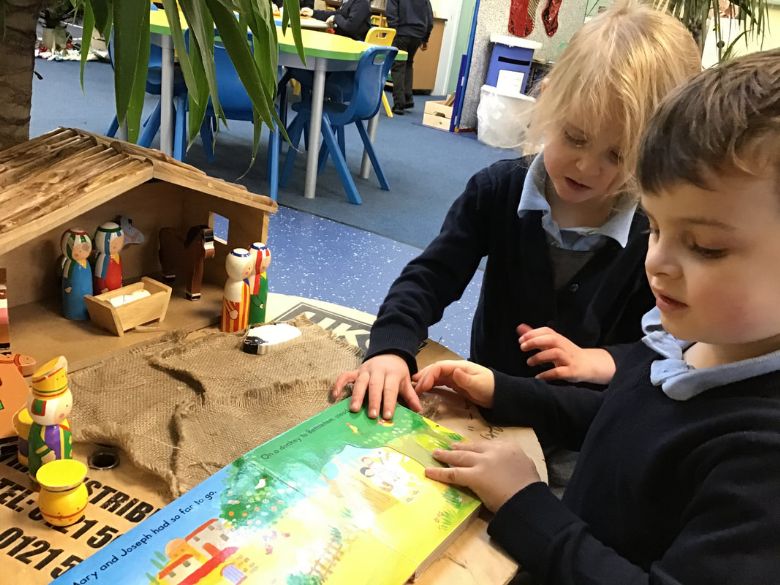
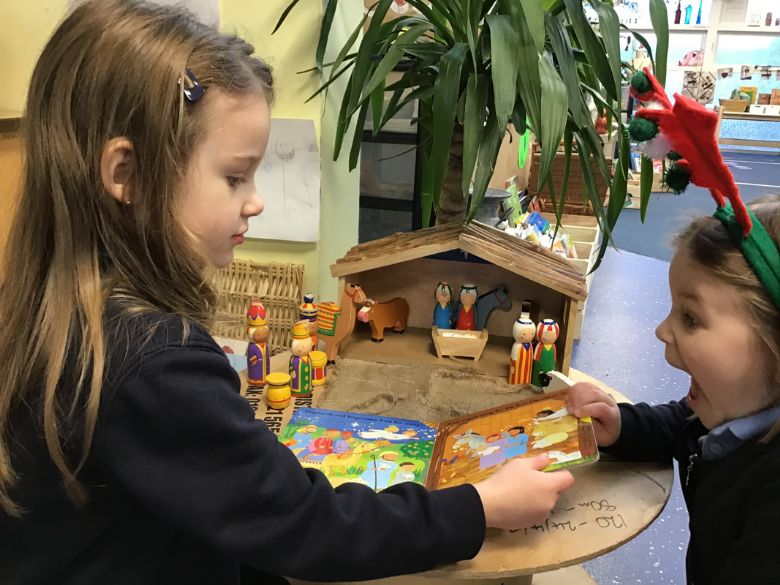
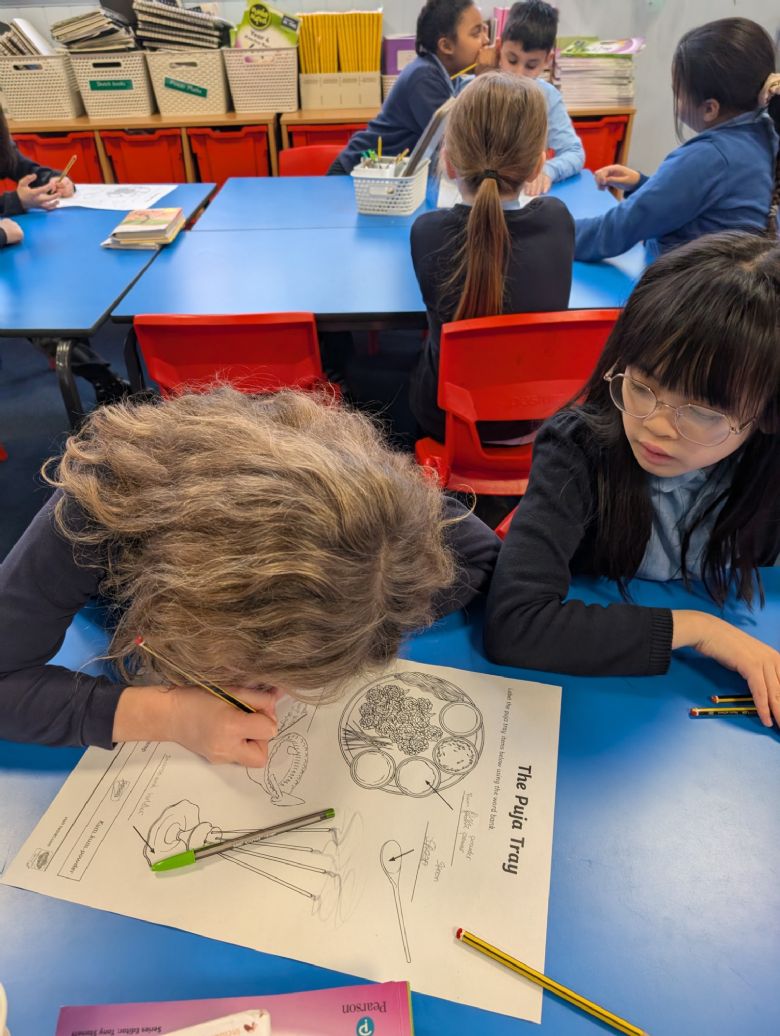
The lessons are either discrete stand-alone units or part of the cross-curricular project approach and will follow the Agreed Syllabus expectations;
At KS1, pupils will explore: i) Christianity in depth, ii) one other Abrahamic religion in depth, iii) with reference to one Dharmic tradition and non-religious perspectives
At LKS2, pupils will explore: i. Christianity in depth, ii. one other Abrahamic religion in depth, iii. one Dharmic tradition in depth, iv. with reference to other religions and perspectives, as appropriate.
At UKS2, pupils will explore: i. Christianity in depth, ii. one other Abrahamic religion in depth, iii. one Dharmic tradition in depth, iv. Humanism, v. With reference to other religious traditions, as appropriate
We plan lessons using a variety of teaching resources; including Understanding Christianity Scheme of work and the Diocesan Scheme of Work as well as linking our learning to our cross curricular projects. Our learning journey will be collated in a class floor book.
Progression
| Aims | KS1 | LKS2 | UKS2 |
| To understand the nature, role and influence of religion and other worldviews locally, nationally and globally, pupils: | Show basic knowledge and understanding of Christianity and at least one, at most two, other faiths, exploring similarities and differences between religions | Show knowledge and understanding of Christianity and other faiths and beliefs, and can explain what difference faith makes in family life. | Understand what it means to belong to a religious community and the influence religious faith has on individuals and communities |
| To reflect on questions of meaning, purpose and value pupils: | Reflect on personal experience and say how it is linked to feelings and opinions. | Think about what influences our beliefs and lifestyle and the way we see things.. | Explore what different religions and other worldviews say about meaning, purpose and value |
| To formulate reasoned opinion and argument pupils: | Give an opinion , with one or more reasons, based on appropriate factual knowledge and understanding. | Give a relevant opinion, exploring valid reasons for and against an opinion, showing a basic understanding of some beliefs. | Explain how beliefs influence attitudes, way of life and behaviour; Express and justify their own beliefs and opinions and listen sensitively to those of others; Distinguish between valid and invalid arguments. |
Assessment
Assessment is a statutory requirement of the Agreed Syllabus. We will report pupil attainment and progress to parents annually. We will use the progression statements and end of Key Stage statements to measure and report progress. We will use the ODBE scheme of work knowledge building blocks to support the assessment process.
Please note that there are aspects of RE, such as personal development and personal beliefs and attitudes, that should not be judged or assessed in themselves, subject to legislative provision concerning safeguarding.
Impact
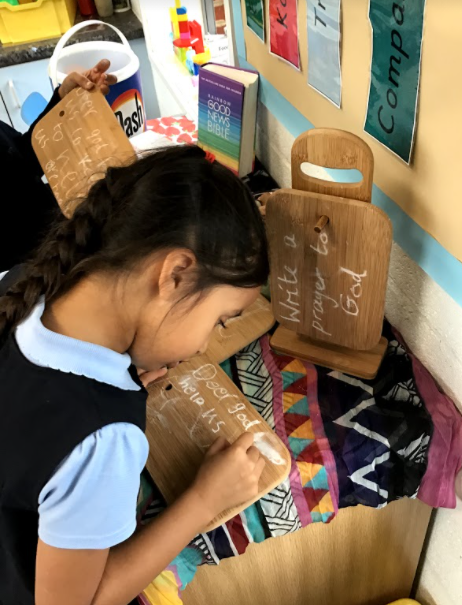
Pupils will grow to recognise how we are all different, yet we share our humanity in common so that through their exploration of religions and other worldviews they will develop their own understanding of what it means to be human and their own sense of meaning, purpose and value in relation to others. Children will identify what they have learnt, how they have transformed and how they will grow as a result of our Religion and World Views curriculum.