St Mary'sC of E Primary School
Fledglings: EYFS

Welcome to Fledglings
We love to be active, explore, and be curious about ourselves, the world and each other. We enjoy stories, music, art, drama, climbing, and especially talking and laughing together. Through all these opportunities we are learning to become resilient individuals who are able to problem solve and persevere with tasks even when they find them challenging. At St Mary’s, we are supporting children to be a life-long, independent and effective learners.
Our staff team works hard to foster positive relationships with children and between children, and value just how important these partnerships are. Right from the start, we endeavour to ensure that caring, nurturing and warm relationships are developed between the whole Fledglings community, which includes the staff, children and parents. We talk regularly about ‘Fantastic Fledgling’ expected choices, which tie into the school values, and support these young children to see how they can live out the school values in their day to day class participation. These expected behaviours include keeping going when they find an activity difficult, supporting another child with shoes or coats without being asked by an adult, solving their own disputes, or helping other children to solve a dispute without adult intervention.
Homework for Reception Children
In Fledglings, we think about our learning behaviour and consider our choices carefully. We learn from our mistakes and support each other. We collect house points and marbles in the jar for making the right choices and together we work towards out reward.
Our Approach
From the very start of their St Mary's School journey, our children show us that play is our brain’s favourite way of learning, which is why it’s the centre of our EYFS and KS1 curriculum. We believe that continuous provision helps independent, inquisitive and motivated learners to flourish by meeting the language, social, emotional and physical needs of our children.
Continuous provision at St Mary's enables children from all backgrounds to have the same opportunities, providing a rich variety of practical experiences. Children are encouraged to take responsibility for extending and practising what they have been learning and complete challenges which are designed to foster and ignite their curiosity.
Children are taught to use life-long skills such as perseverance, problem-solving and responsibility in their day-to-day routine and plan their own learning enquiries. The flexibility and ownership that children have of their learning means that opportunities can be easily adapted to meet the specific needs of each individual child – no matter what their starting point.
Phonics
Phonics is taught daily in a group that is working on a specific set of sounds according to the ability of the child. Each session has a distinct structure and utilises Read Write Inc (RWI). The children take home a RWI book each week to re-read and develop fluency.
Our Class Teachers
Mrs Fleming
I am so excited to be spending time with the children in Fledglings class, helping them to develop their learning through exploration of all of our amazing indoor and outdoor spaces. I hope to create a calm and safe space to allow all the children to grow to their full potential. I love spending my time outside of school with my husband and my little boy, reading books in the garden and travelling to new places!
Miss Perkins
I am so excited for another wonderful year in Fledglings! I look forward to building connections with the children while helping them grow. I hope to build a safe and comfortable learning environment to allow students to fully thrive in their learning. I love teaching maths and cannot wait to see how the Fledglings class dig into their creativity this year. Outside of school I enjoy going on long walks, baking, and travelling!
Autumn 1
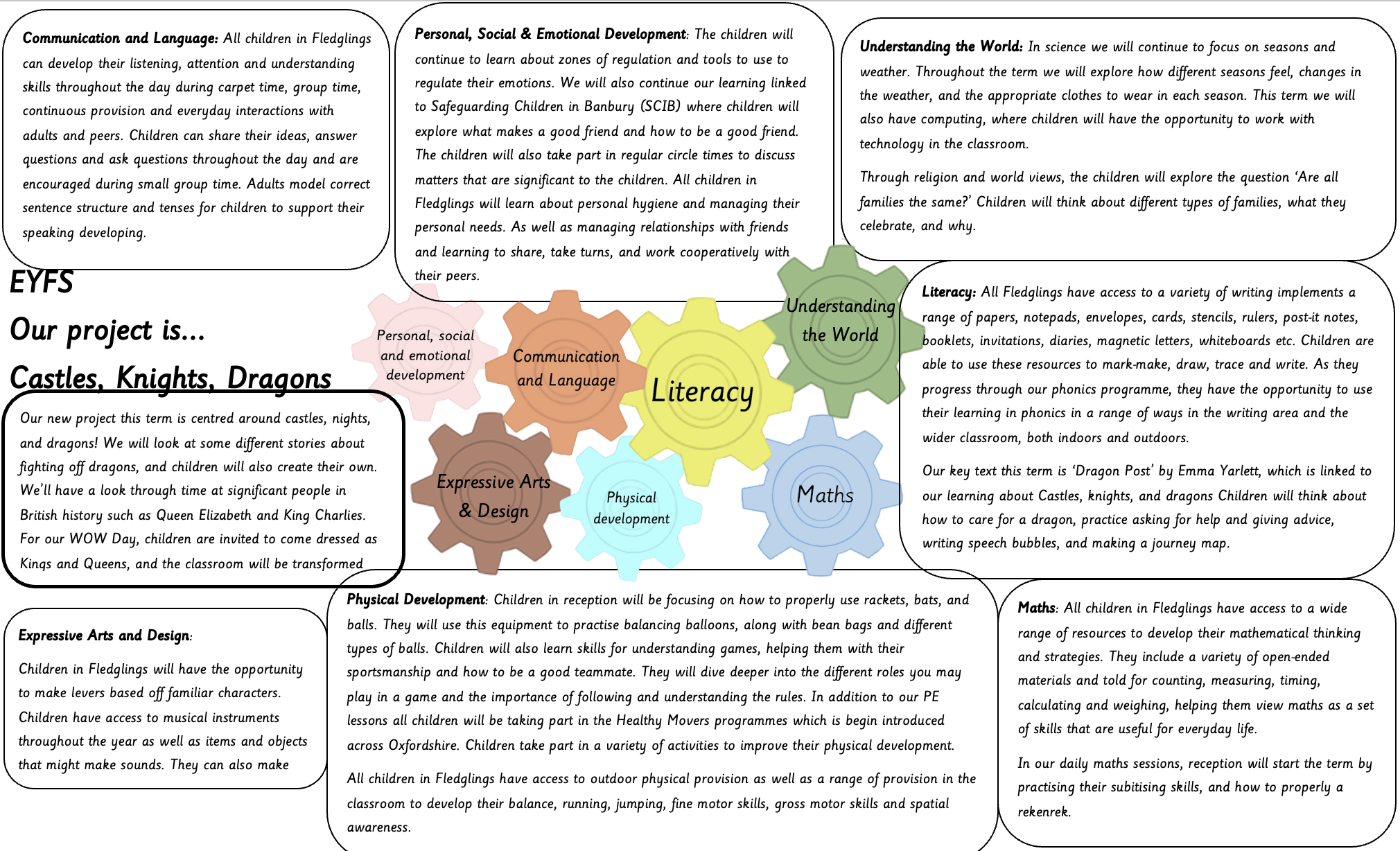
Here is our termly cog document where you can find details of the different subjects we are covering this term.

Our Class Books/Books to Support our Project
This term, our stories will link to our project, 'All Aboard!'
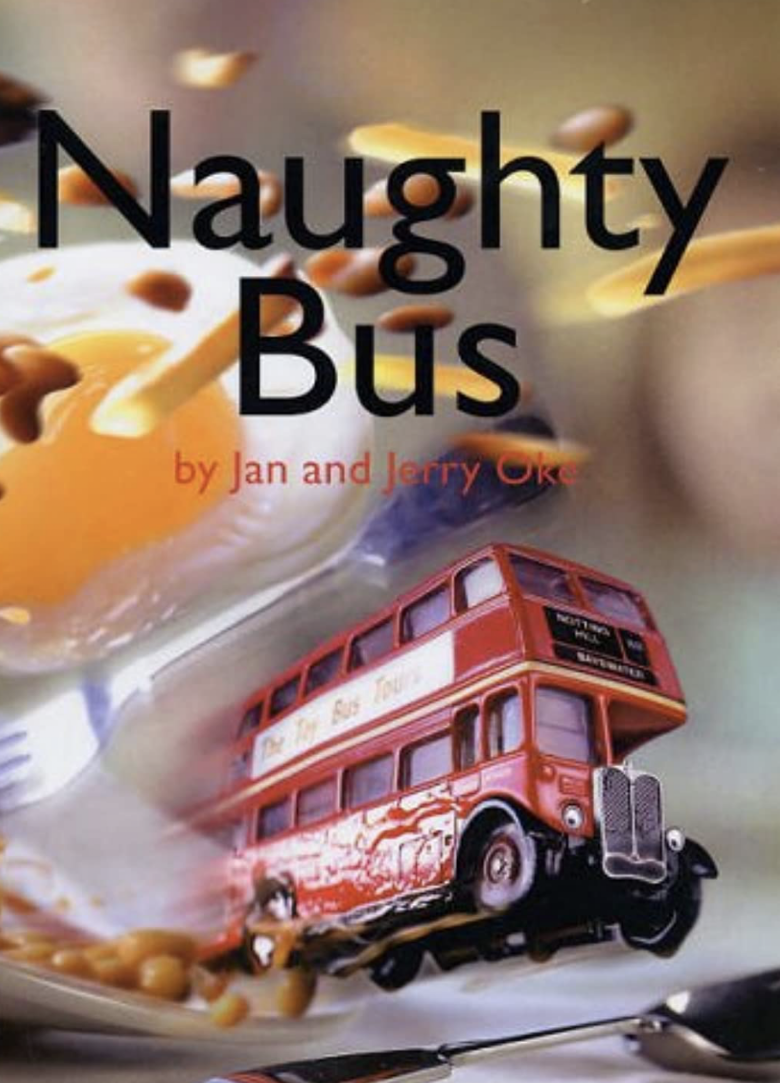
This term, our classroom text is the Naughty Bus by Jan Oke. Using Naughty Bus, the children will follow all the mischievous adventures of a red toy bus.
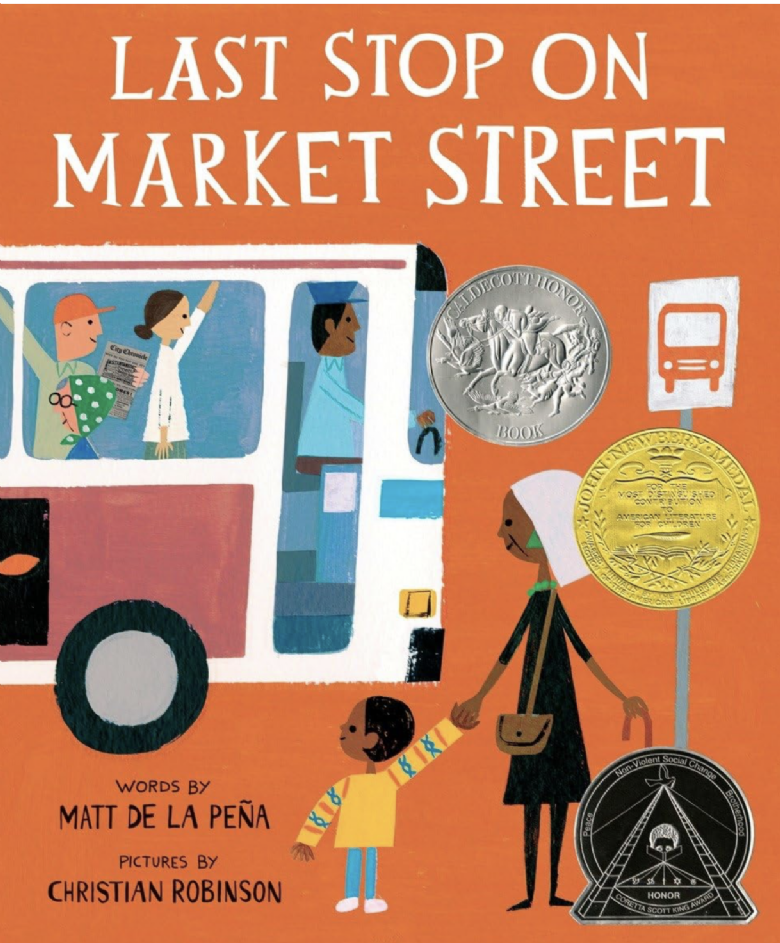
We will also be reading The Last Stop on Market Street by Matt de la Pena to support our transport.
Websites to support learning
Support with Phonics:
RWI Phonics a guide for parents
https://home.oxfordowl.co.uk/reading/reading-schemes-oxford-levels/read-write-inc-phonics-guide/
RWI Phonics sound pronunciation guide video
https://www.oxfordowl.co.uk/for-home/reading-owl/find-a-book/read-write-inc-phonics--1/phonics-pure-sounds-video
RWI Phonics Sound blending
www.youtube.com/watch?v=S8vuje-wMQw
Phonics Play Games
https://www.topmarks.co.uk/english-games/3-5-years/letters-and-sounds
How to listen to your child read a RWI boo https://www.youtube.com/watch?v=07DruIKFsKw
Supporting reading at reception https://home.oxfordowl.co.uk/reading/reading-age-4-5-reception/
Blending sounds book tutorial https://www.youtube.com/watch?v=vhLjXT1jP9M
Fine Motor ideas for home:
https://www.hertfordshire.gov.uk/microsites/local-offer/media-library/documents/resource-area-documents/spld-exploratory-play-activities-for-early-years-at-home.pdf
English
Focus texts
‘The Naughty Bus’
Read aloud version of ‘The Naughty Bus’
https://www.youtube.com/watch?v=Cub7IDudKSw
‘The Last Stop on Market Street’
Read aloud version of ‘The Last Stop on Market Street ’
https://www.youtube.com/watch?v=G-Rau8rrelU
Support with Maths: Subitising
How to Subitise at home
https://www.bbc.co.uk/bitesize/articles/zsjbcmn
Don't Count say the Amount
https://www.bbc.co.uk/bitesize/articles/zf3r96f
Cardinality and counting https://www.ncetm.org.uk/classroom-resources/ey-cardinality-and-counting/
Counting to 5
https://www.bbc.co.uk/bitesize/topics/zvcmtrd/articles/zsxvg7h
Support with PSHE:
Keeping Safe
https://www.bbc.co.uk/bitesize/topics/zfcvhbk/articles/zr3kgwx
Support with our Topic:
https://www.bbc.co.uk/teach/class-clips-video/articles/zyp4kty
https://www.bbc.co.uk/teach/class-clips-video/articles/z2jsydm
Support with Religion and World Views:
Who am I, and Where do I Belong?
https://www.youtube.com/watch?v=TuMN-60CFoE
https://www.bbc.co.uk/cbeebies/shows/lets-celebrate
https://www.bbc.co.uk/bitesize/articles/zcgsb7h